
🎨 The truth that stings (a little… but it’s for your own good)
Let’s be honest for a second.
You pick up a paintbrush.
You splash some paint.
You look at your painting…
And then… 😐
👉 “Well… that’s still not quite right.”
Don’t worry: you are NOT alone.
👉 In fact, 90% of beginners fail at painting.
And no, it’s not because:
- you have “no talent”
- You’re “terrible at drawing.”
- or that “art isn’t for you”
👉 The problem lies elsewhere… and it’s much simpler than you think.
❌ Mistake #1: Believing that painting equals magical inspiration
Ahhh… the myth of the inspired painter 🧙♂️
You know, the one who:
- looks at a blank canvas
- close your eyes
- and BOOM 💥 → masterpiece
👉 Bad news: It doesn’t exist.
👉 Good news: it doesn’t exist (yes, that’s good news 😄)
Why?
Because painting (especially abstract painting) is NOT:
“go by feel”
It’s:
👉 making visual decisions
🧠 The real problem: you’re painting without a structure
Most beginners do this:
- They choose colors 🎨
- They’re spreading paint
- They hope it works

Spoiler: It doesn’t work.
Why?
Because it’s missing THE foundation:
👉 Ingredients
🎯 Composition: The Secret Nobody Explains to You
It’s simple:
👉 A successful painting = good visual organization
In practical terms, this means:
- Where is the focal point?
- Where are you looking?
- Which area is important?
- Which area is quiet?

If you don’t keep that under control…
👉 Your painting becomes “visual noise”
And your brain says:
“I don’t get it… next.”
😵 The “All the Same” Syndrome
Have you ever experienced that?
👉 Everything is on the same level:
- the same colors
- the same intensity
- equal importance
Result:
👉 Nothing comes up
👉 So nothing interests me
It’s like watching a movie where everything is at the same volume 🔊
👉 You zone out.
⚠️ Mistake #2: Too many colors (the classic trap)
Now that… is THE classic.

You think to yourself:
“The more colors there are, the more artistic it is”
👉 FALSE ❌
In reality:
👉 The more colors there are… the more chaotic it gets
Why?
Because your brain loves:
👉 simplicity + hierarchy
✔️ What to do instead:
- Limit your color palette 🎨
- Repeat certain colors
- Create Key Tones
👉 Bottom line: less but better
🧩 Mistake #3: Wanting to finish too quickly
Want to paint a beautiful picture in 30 minutes?
👉 Sorry… but no.
A good painting is often:
- diapers
- adjustments
- corrections
👉 It’s a PROCESS
🔥 The moment everything changes
At some point, you have to accept a truth:
👉 You don’t make progress by “doing more”
👉 You make progress by “doing better”
And for that:
👉 You need to understand WHAT you’re doing
🛠️ 3 Simple Rules to Take Your Game to the Next Level
Want to make it into the top 10%? Here are the basics 👇
1. Plan your composition before you start painting
Before you even pick up your paintbrush:
👉 Ask yourself these questions:
- Where is my focal point?
- What’s the situation?
- Which area is breathing?

2. Simplify your table
👉 Fewer colors
👉 Less information
👉 Greater clarity
3. Creates contrast

No contrast = flat painting
Add:
- light / dark
- calm / energetic
- full / empty
👉 That’s when your painting comes to life
🎨 The truth that no one wants to hear
Are you ready?
👉 It’s NOT your equipment
👉 It’s NOT your talent
👉 That’s your understanding
And that’s something you can learn.
💡 Why You Hit a Wall (and Why It’s Normal)
Your brain is looking for points of reference.
But if you’ve never learned:
- the composition
- visual hierarchy
- the gaze
👉 You’re moving forward blindly
And of course…

👉 You’re going in circles
🚀 Good news: You can make rapid progress
Contrary to popular belief:
👉 Painting isn’t a gift
👉 It’s a skill
And like any skill:
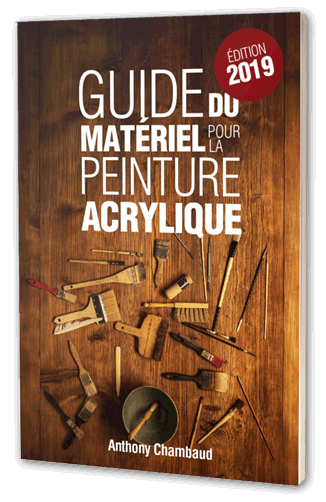
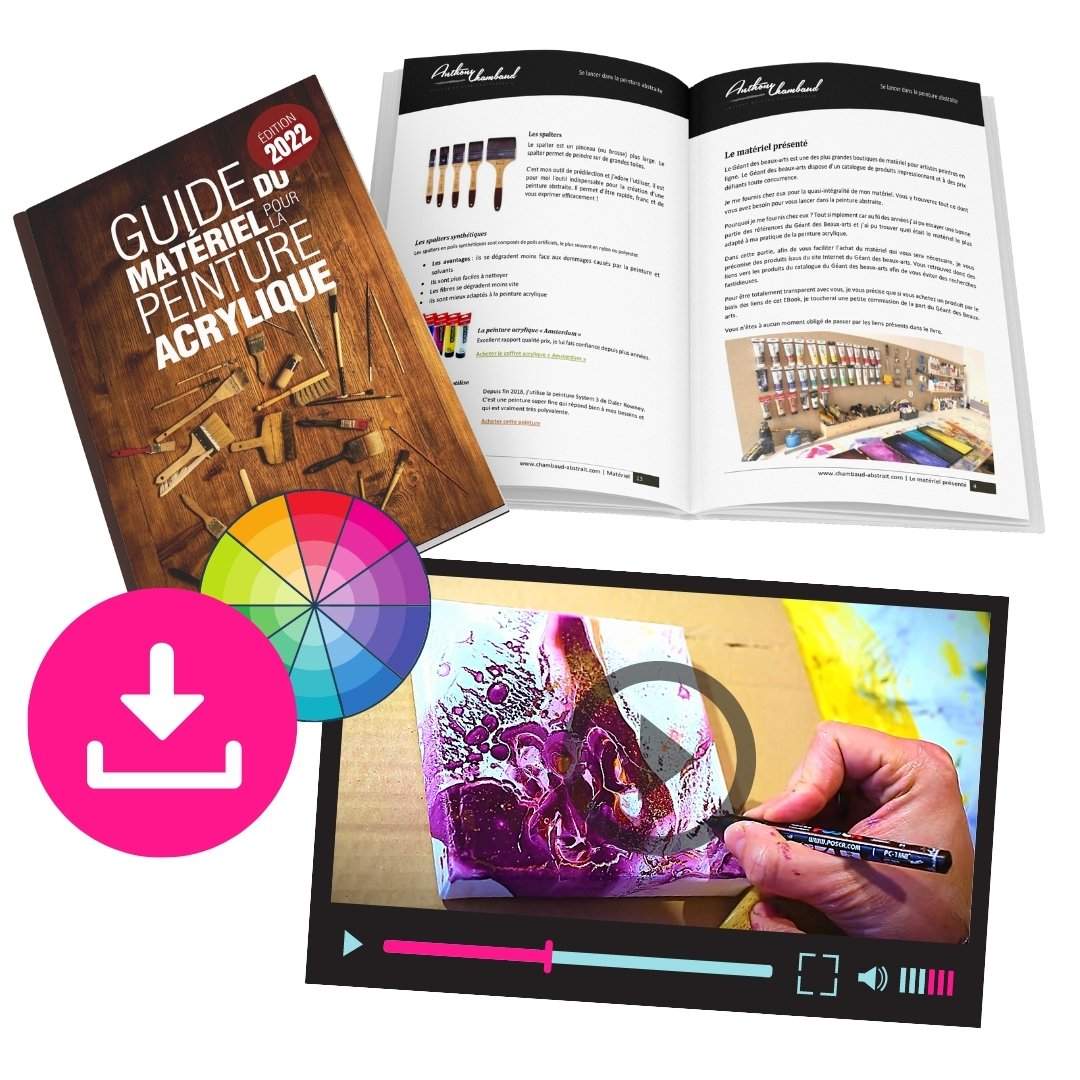
👉 You can improve quickly with the right foundation, so I suggest you download my equipment guide and free resources:

Bonus : Ressources du peintre (Offert)
- Le guide du matériel (PDF)
- Mes 7 palettes secrètes (PDF)
- Un cours de peinture complet
- Un podcast « Se lancer dans l’abstrait »
🎯 Quick summary (for those in a hurry)
👉 90% of beginners fail because they:
- paint without a composition
- use too many colors
- do not structure their table
👉 The top 10% succeed because they:
- think before they act
- simplify
- control the gaze
Mes dernières créations
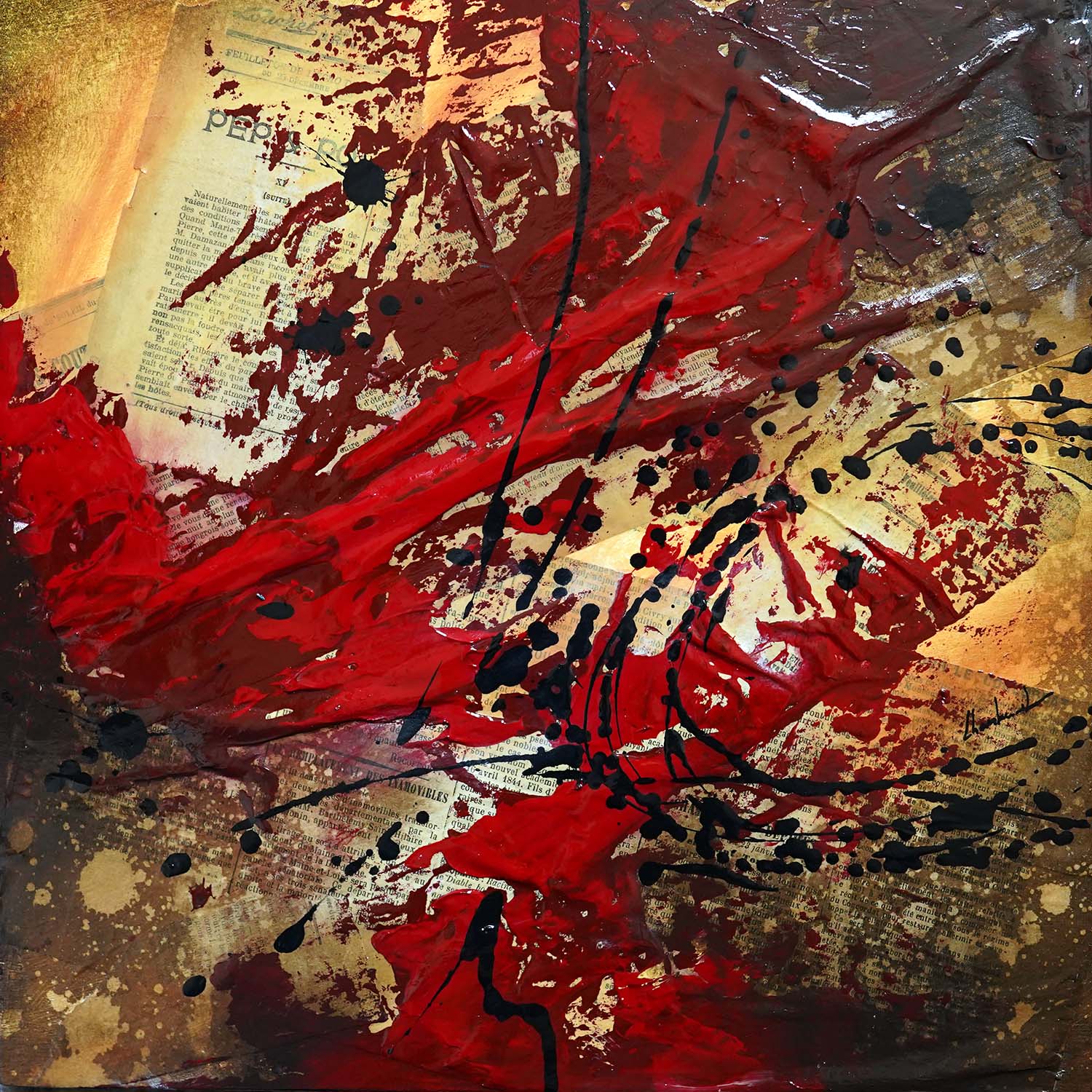
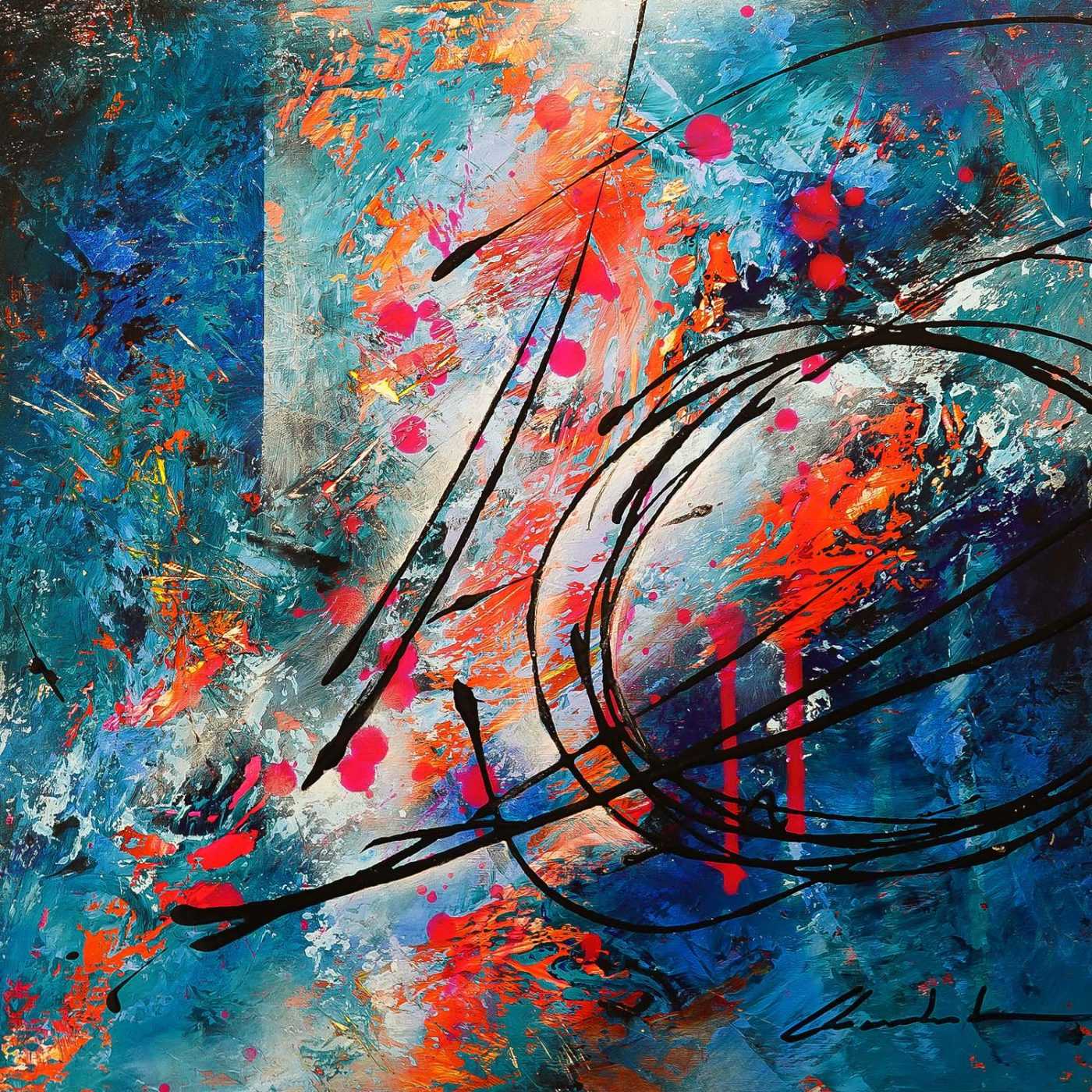
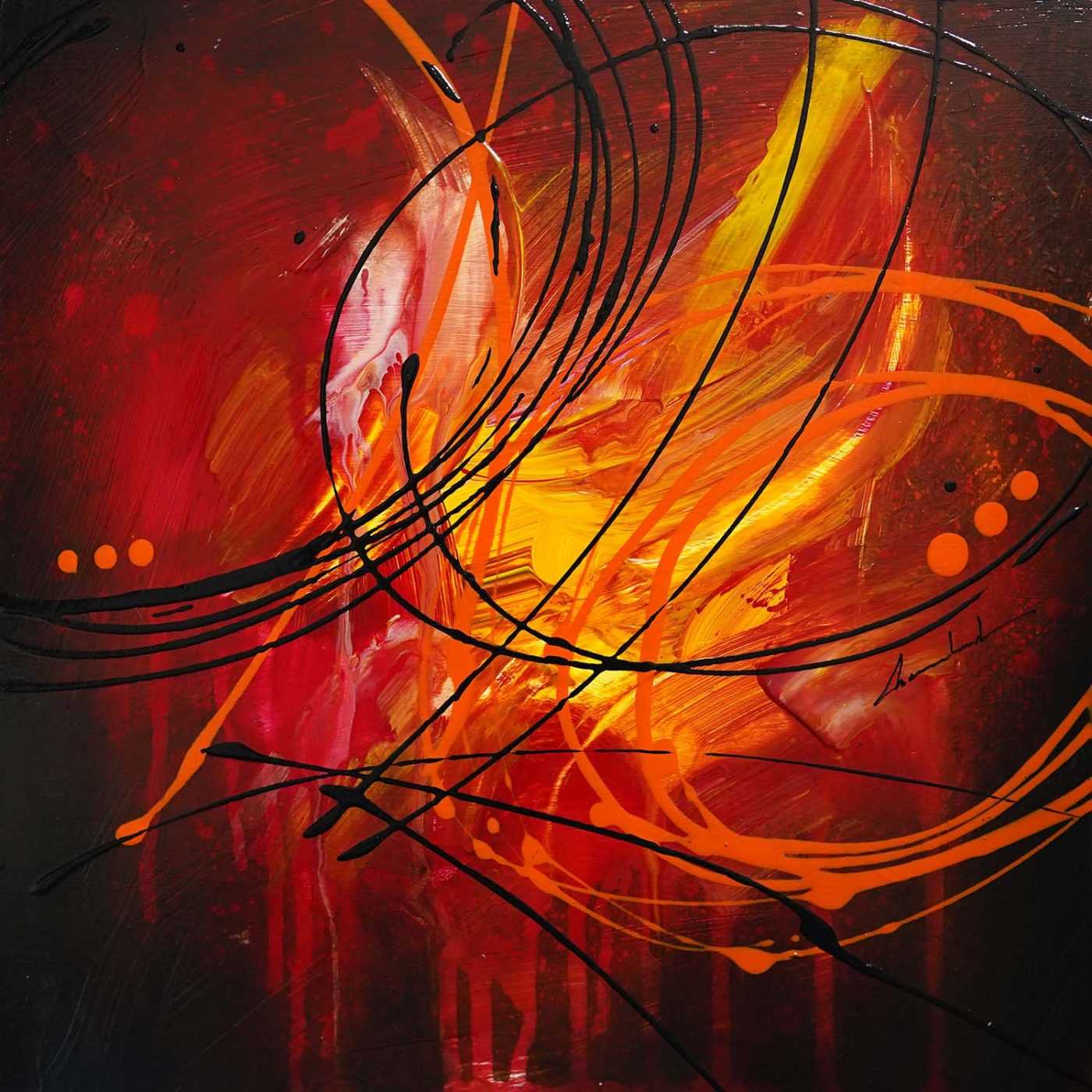
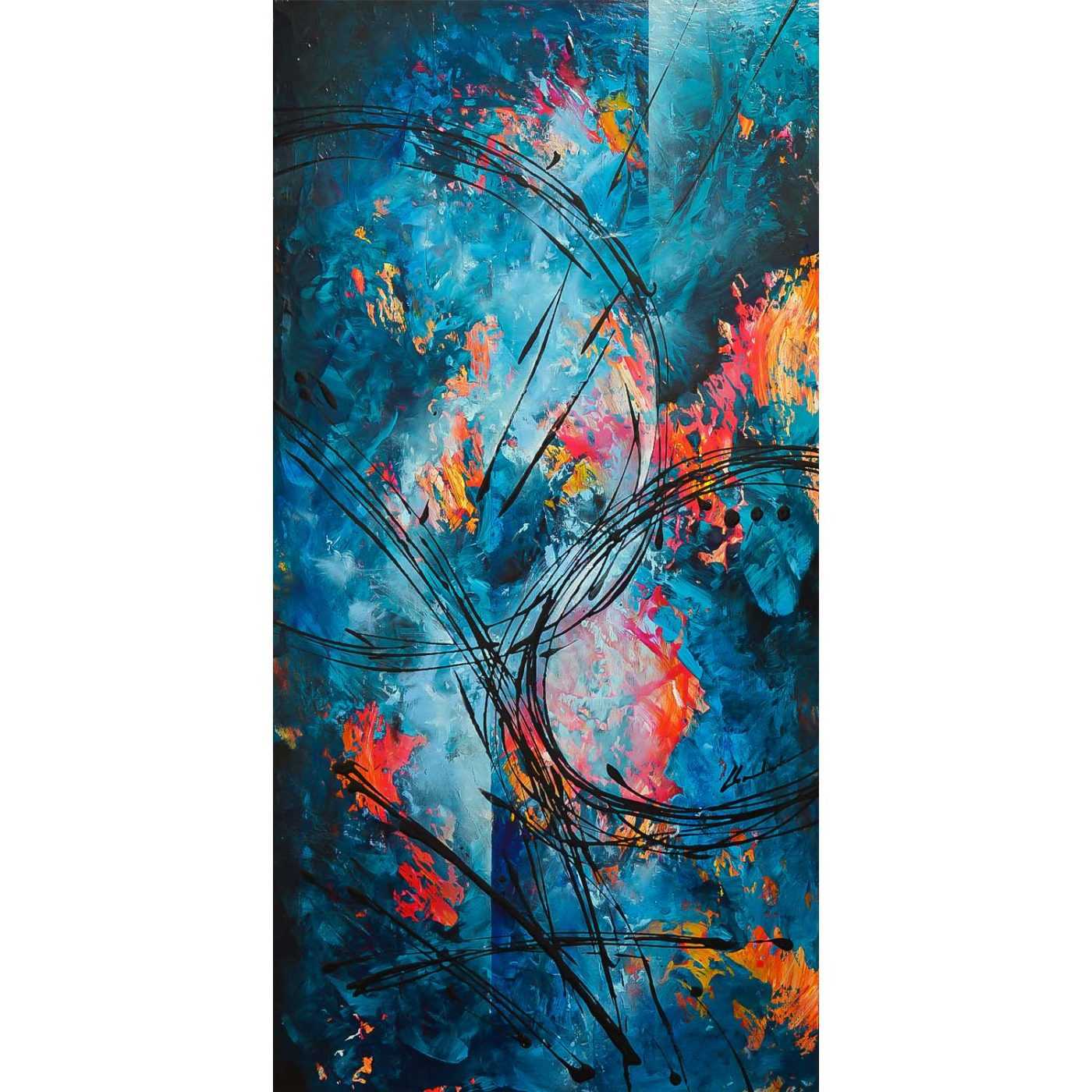
Découvrez mes derniers tableaux abstraits disponibles.






Leave a Reply