
Take your tube.
Squeeze it.
Apply it to the canvas.
And then…
👉 It’s thick, heavy, and lacks finesse…
👉 In short: a bit “clunky” 😅
And you think to yourself:
“But why doesn’t this look like what I see elsewhere?!”
👉 Spoiler: You’re not the problem… it’s HOW you use your paint
❌ The mistake 90% of beginners make (without realizing it)
Are you ready?
👉 Use acrylic paint straight from the tube
Yes, that’s the problem.
And I know what you’re going to say:
👉 “Well… that’s what it’s for, isn’t it?”
👉 Well… NO ❌
🧠 Why Paint Straight Out of the Tube Doesn’t Work
When you use raw acrylic:
- It’s too thick.
- It lacks fluidity
- It doesn’t mix well.
- it blocks the effects
Result:
👉 Your table is:
- heavy
- frozen
- without nuance
👉 And above all: lacking depth

🎯 The real problem (and no one tells you about it)
Painting is not:
👉 applying color
It’s:
👉 review the material
And now… you’ve just cleared a huge mental hurdle.
🔥 Imagine that for 2 seconds
It’s like cooking:
👉 You don’t just toss dry pasta onto a plate and say
“Enjoy your meal”
👉 You cook them.
👉 Well, painting is the same thing.
⚠️ What you should do instead
👉 You need to repaint it
And that’s when everything changes.

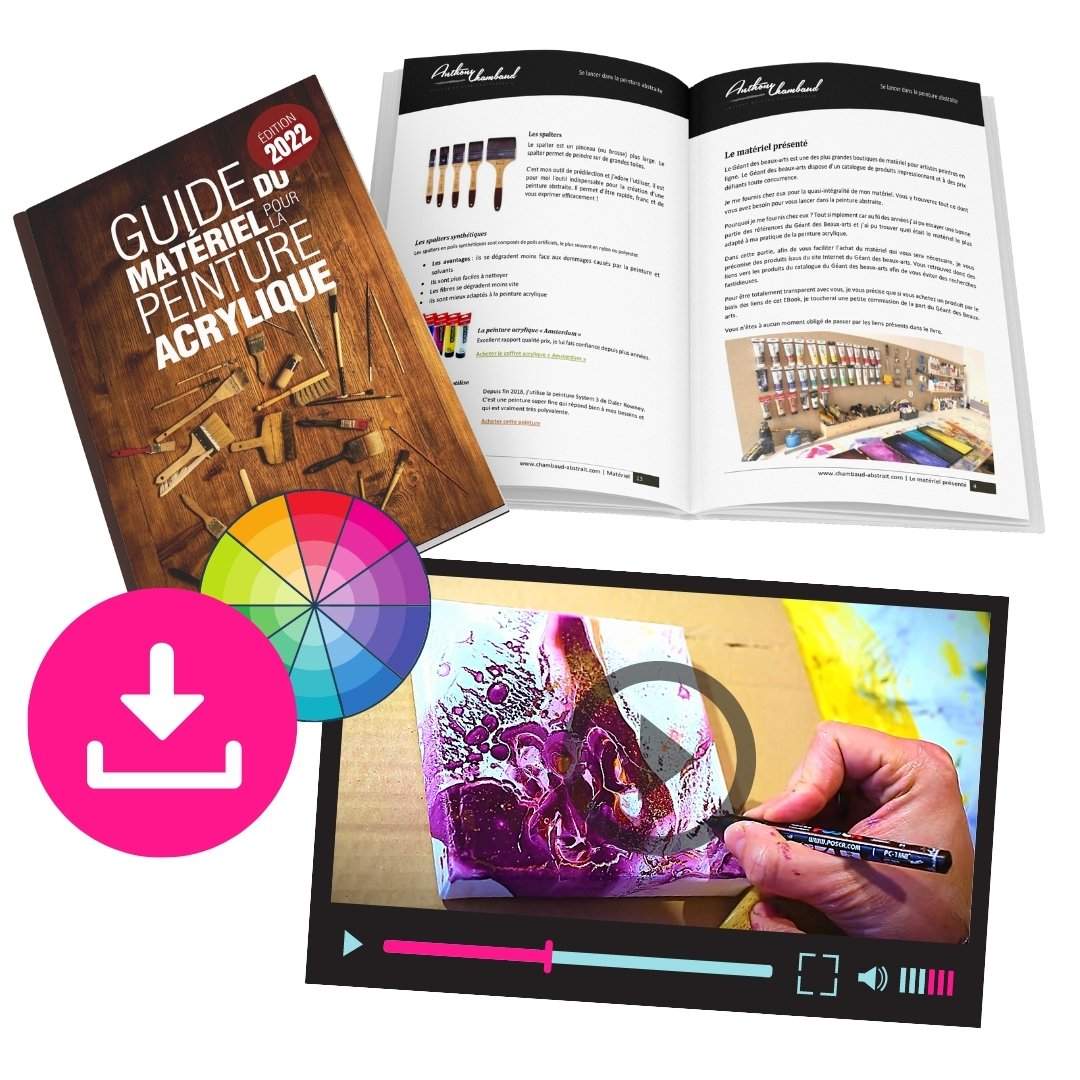
Bonus : Ressources du peintre (Offert)
- Le guide du matériel (PDF)
- Mes 7 palettes secrètes (PDF)
- Un cours de peinture complet
- Un podcast « Se lancer dans l’abstrait »
🧪 3 Simple Ways to Improve Your Painting
1. Add water (the base)
👉 It seems obvious… but few people do it right
Result:
- more fluid paint
- easier to spread
- more natural effects
👉 Note: It’s not soup either 😄
2. Use a medium
Now we’re taking it to the next level 🔥

A medium allows you to:
- Thin it out WITHOUT altering the color
- maintain the intensity
- enhance the effects
👉 Bottom line: It’s your best ally

3. Work in layers
Instead of:
👉 Ask everything at once
You do:
👉 several passages
Result:
- more depth
- greater visual richness
- instant “professional” look
😵 Why does your painting look “flat”?
Do you know that feeling?
👉 Your painting lacks life
👉 Nothing stands out
👉 It’s all just a little… meh
👉 That’s NORMAL
Because:
👉 The subject is poorly managed
🎨 The moment that changes everything
Once you understand this:
👉 You don’t paint the same way anymore
You’re switching from:
❌ “I’m applying paint”
to
✅ “I’m creating a texture”
🧩 Quick little test (do it at home)
Take 2 canvases:
👉 Panel 1:
- paint straight from the tube
👉 Canvas 2:
- thinned paint / medium / layers
Look at both of them.
👉 You’re going to see a HUGE difference
🚀 Why this changes everything (in terms of results)
Once you’ve mastered the material:
👉 Your table will look like this:
- lighter
- more subtle
- more interesting
👉 And most importantly:
👉 more professional
💡 What Artists Do (That You Aren’t Doing Yet)
Experienced artists:
- are constantly changing their paint jobs
- play with fluidity
- monitor the effects
👉 They NEVER paint “straight from the tube”

🎯 A super-simple summary
👉 If your paint isn’t working:
It is not:
- your talent
- your equipment
- your idea
👉 It’s:
👉 the way you use your paint
❓ FAQ
Should acrylic paint be thinned?
Yes, in most cases. This results in smoother movement and more natural-looking effects.
Can you paint with acrylics without a medium?
Yes, but the result will often be more basic and less controlled.
Why is my acrylic paint thick?
Because it is used straight from the tube without any modifications.
How Can You Easily Improve Your Painting?
By adding water, using a medium, and working in layers.
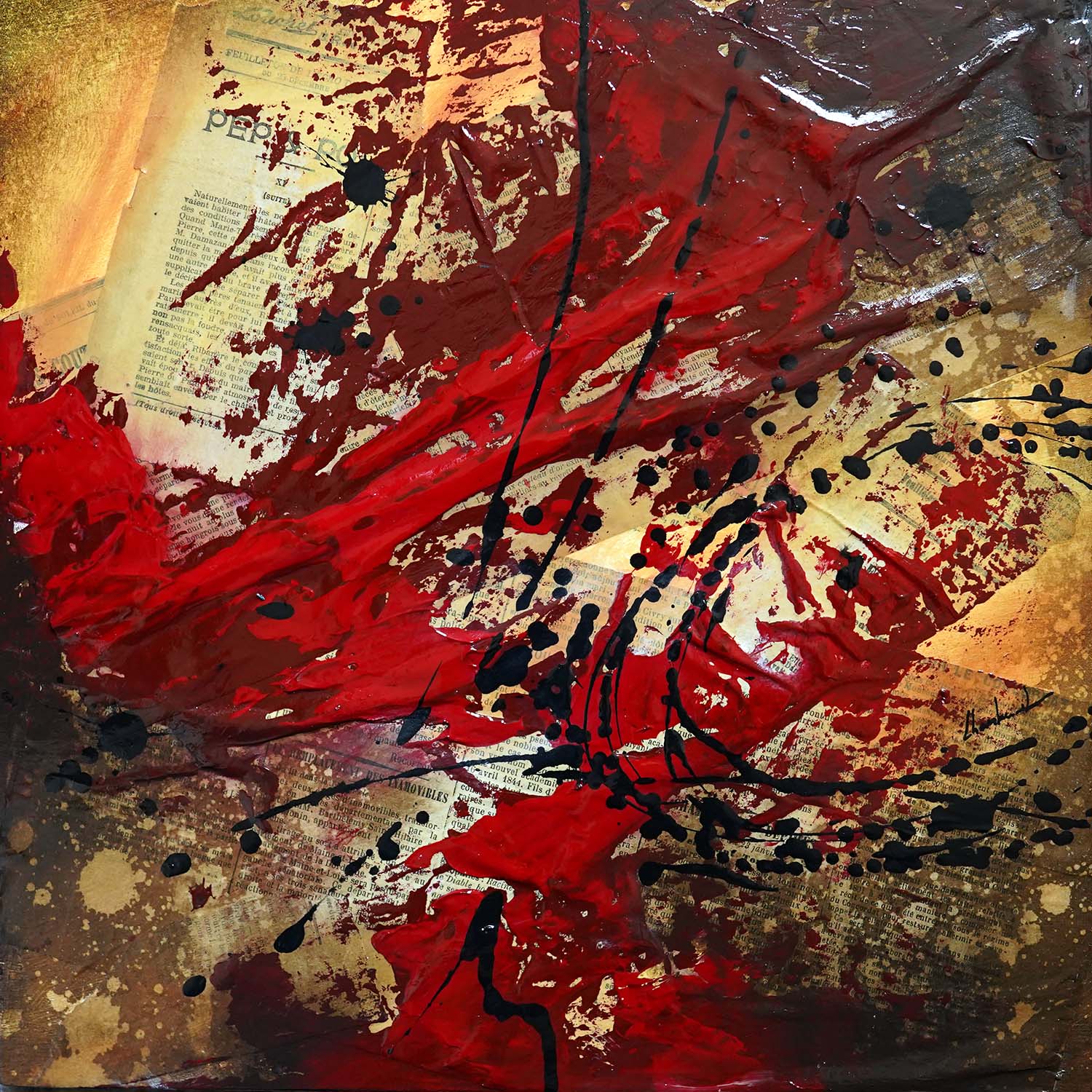
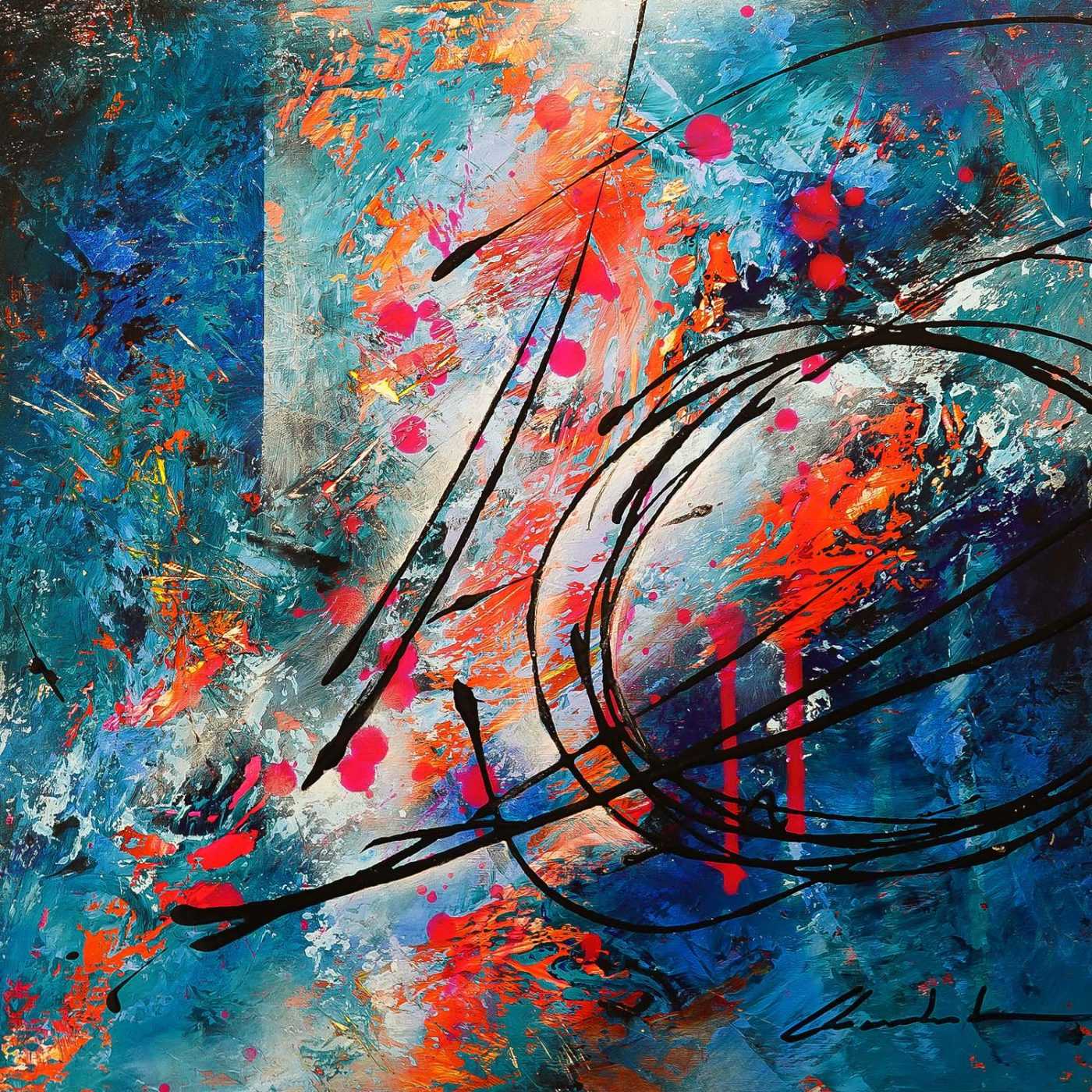
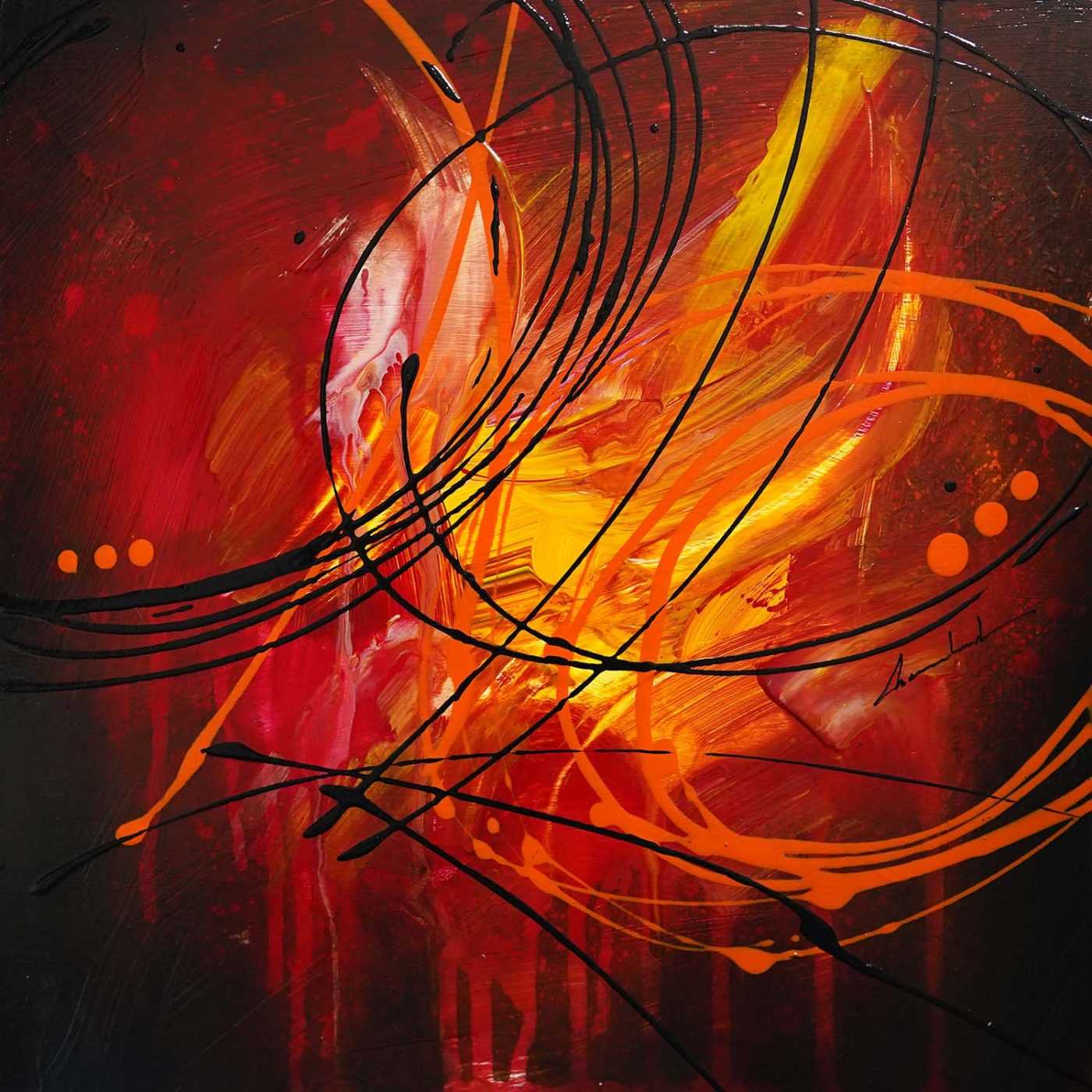
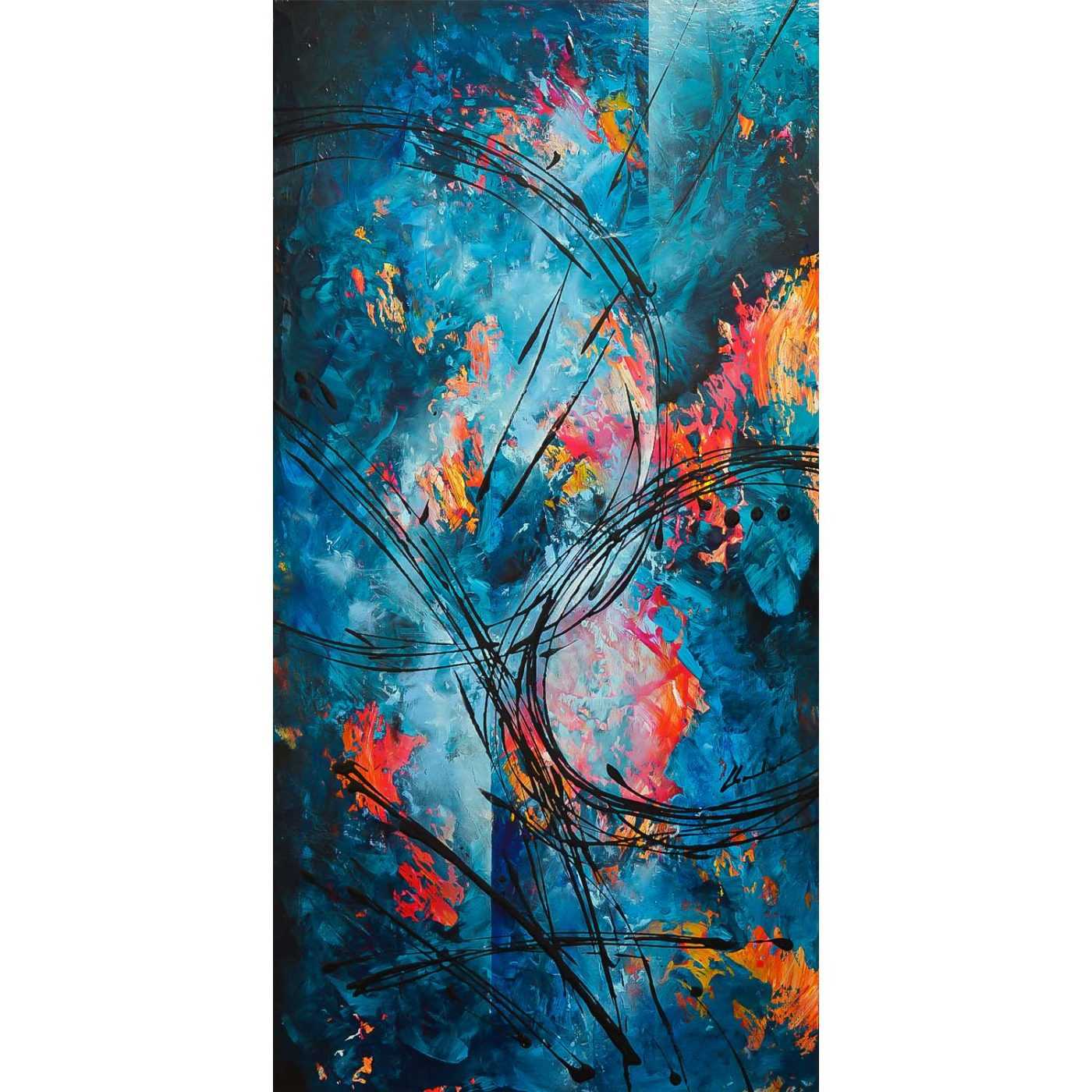
Mes dernières créations
Découvrez mes derniers tableaux abstraits disponibles.






Leave a Reply