
Creating one’s own color palette is one of the most important turning points in the life of an abstract painter. Yet most beginner (and even intermediate) artists choose their colors… at random.
Result:
❌ dull layouts
❌ off-key harmonies
❌ a nonexistent visual identity
In this article, we’ll explore why building your own palette is essential, how to do it in practice, and how it can instantly transform your abstract painting.
Why Creating Your Own Palette Makes All the Difference
A color palette is not just a selection of colors.
It is:
- your visual identity
- your pictorial consistency
- your artistic style
When you always use the same colors:
✔ Your paintings become distinctive
✔ You master your color combinations
✔ Your color harmony becomes natural
You’re switching from:
👉 “I Choose Colors”
at
👉 “I Build a World”
And that represents a major shift in artistic practice.
The problem with not using a palette
Painting without a prepared palette almost always results in:
1️⃣ Dirty mixtures
Too many different pigments → loss of brightness.
2️⃣ Inconsistent tables
Each area seems to come from a different painting.
3️⃣ A lack of style
Your work is always changing… and we don’t recognize you anymore.
Creating a palette solves all three of these problems at once.
Limited Color Palette: The Secret of Professional Painters
Great painters almost always work with:
🎨 a limited color palette
🎨 recurring colors
🎨 skillful color blending
Why?
Because fewer colors =
✔ More harmony
✔ More power
✔ More identity
How many colors should an effective color palette have?
An effective palette generally includes:
- 3 to 6 primary colors
- white
- (if applicable) ground or neutral
Example structure:
| Role | Color |
|---|---|
| Dominant | Primary Color |
| High School | Balance Color |
| Accent | Vibrant color |
| Neutral | To calm things down |

How to Build Your Color Palette (A Simple Method)

Step 1 – Choose an emotion
Your color palette should convey:
- an atmosphere
- a sensation
- energy
Examples:
- soft palette → desaturated tones
- dynamic palette → strong contrasts
- minimalist palette → limited range
Step 2 – Choose a dominant color
Ask yourself this question:
👉 What is MY color?
She’s the one who’s going to:
- come back often
- Create Your Identity
- Consolidate your tables
Step 3 – Add compatible colors
Use:
✔ analogues for harmony
✔ a contrast for tension
Step 4 – Test the palette before painting
Try it out:
- color bands
- small sizes
- blends between each shade
That’s where the magic happens.
The classic mistake: using too many colors
That’s THE trap.
People tend to think that more colors mean a richer look.
In reality:
❌ It weakens the composition
❌ It destroys the unity
❌ It makes the color combinations dull
The most powerful paintings often use very few colors.
Artistic Palette and Identity
Your palette becomes:
🎯 Your signature
🎯 Your brand identity
🎯 Your visual consistency
That’s why someone might say:
👉 “This painting is yours”
even without seeing the signature.
Palette and Series of Paintings
Working with a palette allows you to:
✔ Create cohesive collections
✔ Exhibit more easily
✔ Sell more easily
Why?
Because collectors buy a whole world, not just a single painting.
Do you have to stick with the same color palette your whole life?
No.
But you have to work in phases:
- a palette
- a series
- an exploration
Then move on.

Examples of Color Palettes in Abstract Painting
Monochrome palette
A single color + its variations.
Effect:
- very contemporary
- very elegant

Complementary Palette
Two contrasting colors.
Effect:
- very dynamic
- highly visual
Analog Palette
Similar colors.
Effect:
- very harmonious
- very soft
Immediate benefits for your paintings
When you’re working with a built palette:
✔ Your color combinations will pop
✔ Your color schemes will be cohesive
✔ You’ll save time
✔ You’ll find your own style
And most importantly:
🔥 Your work takes on a professional look
FAQ – Creating Your Own Palette for Abstract Painting
What is the maximum number of colors?
Ideally, 5 to 7 with the white wine.
Can we change the palette?
Yes, but work in sets.
Should you always use the same tubes?
Yes, to ensure consistency.
Does one palette work for all formats?
Yes, and it enhances the cohesion of your work.
Conclusion: Your color palette is your artistic DNA
Creating your own color palette isn’t just a technical detail.
It is:
👉 Develop your own style
👉 Increase your impact
👉 Become recognizable
This is the moment when we stop “painting pictures”
and start creating a work of art.
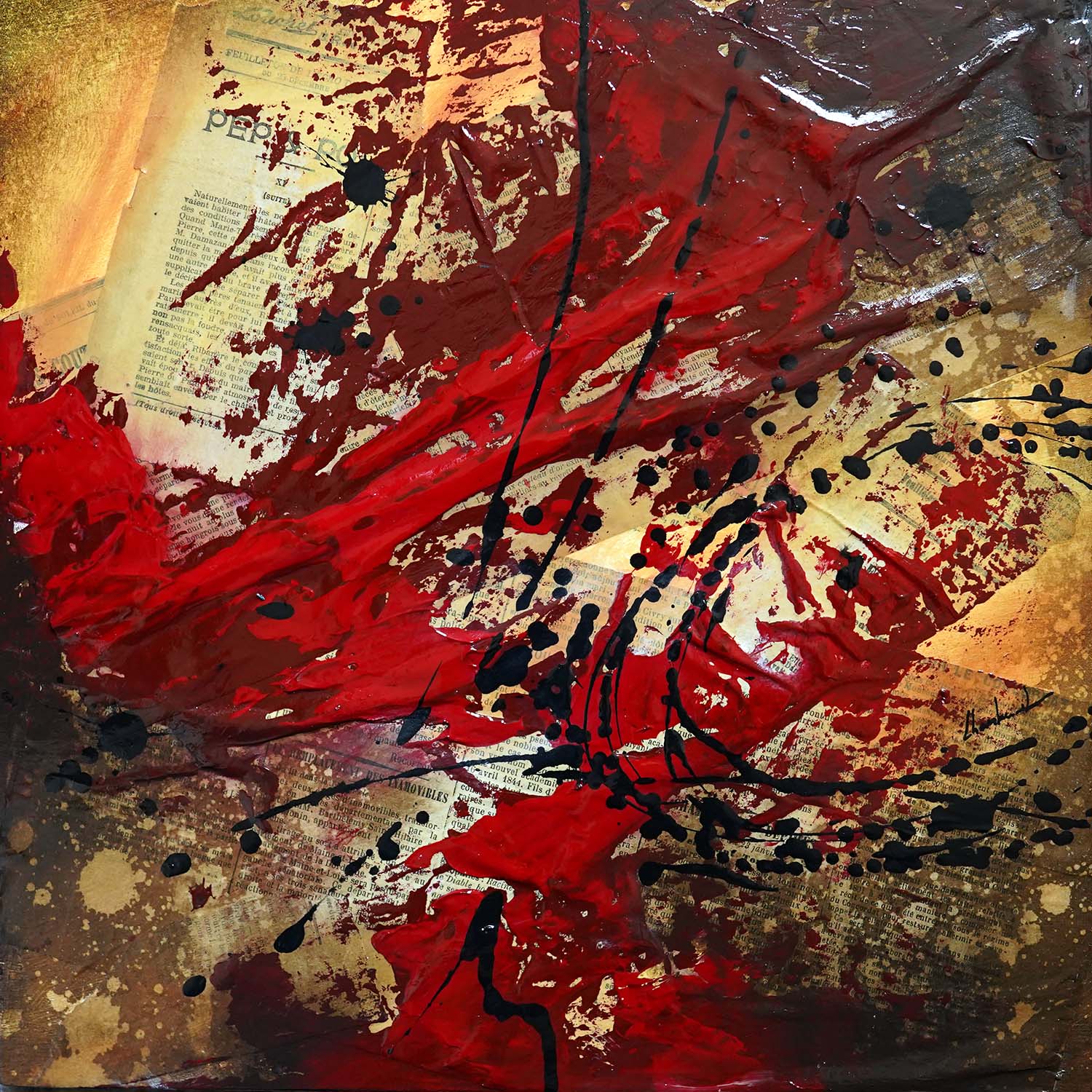
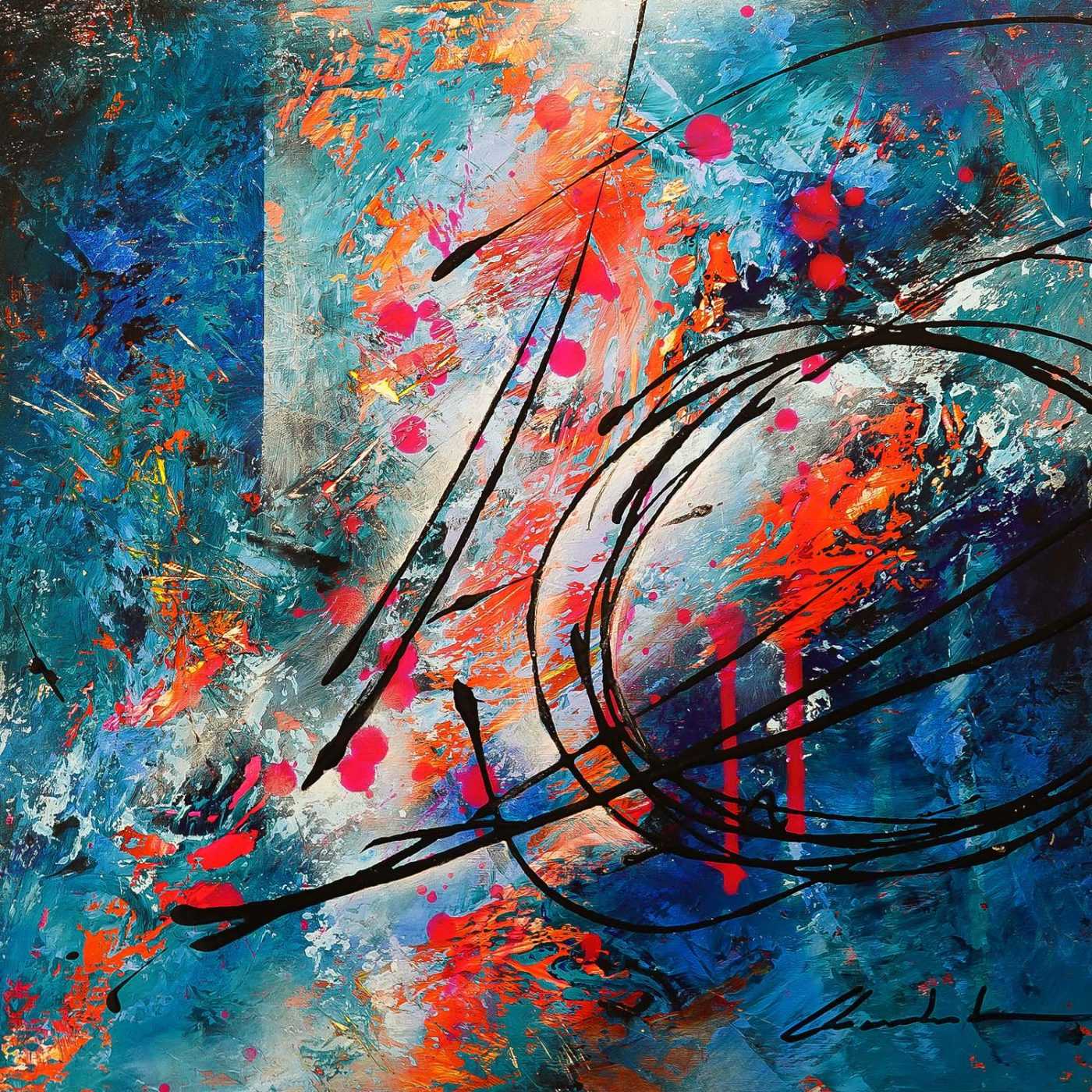
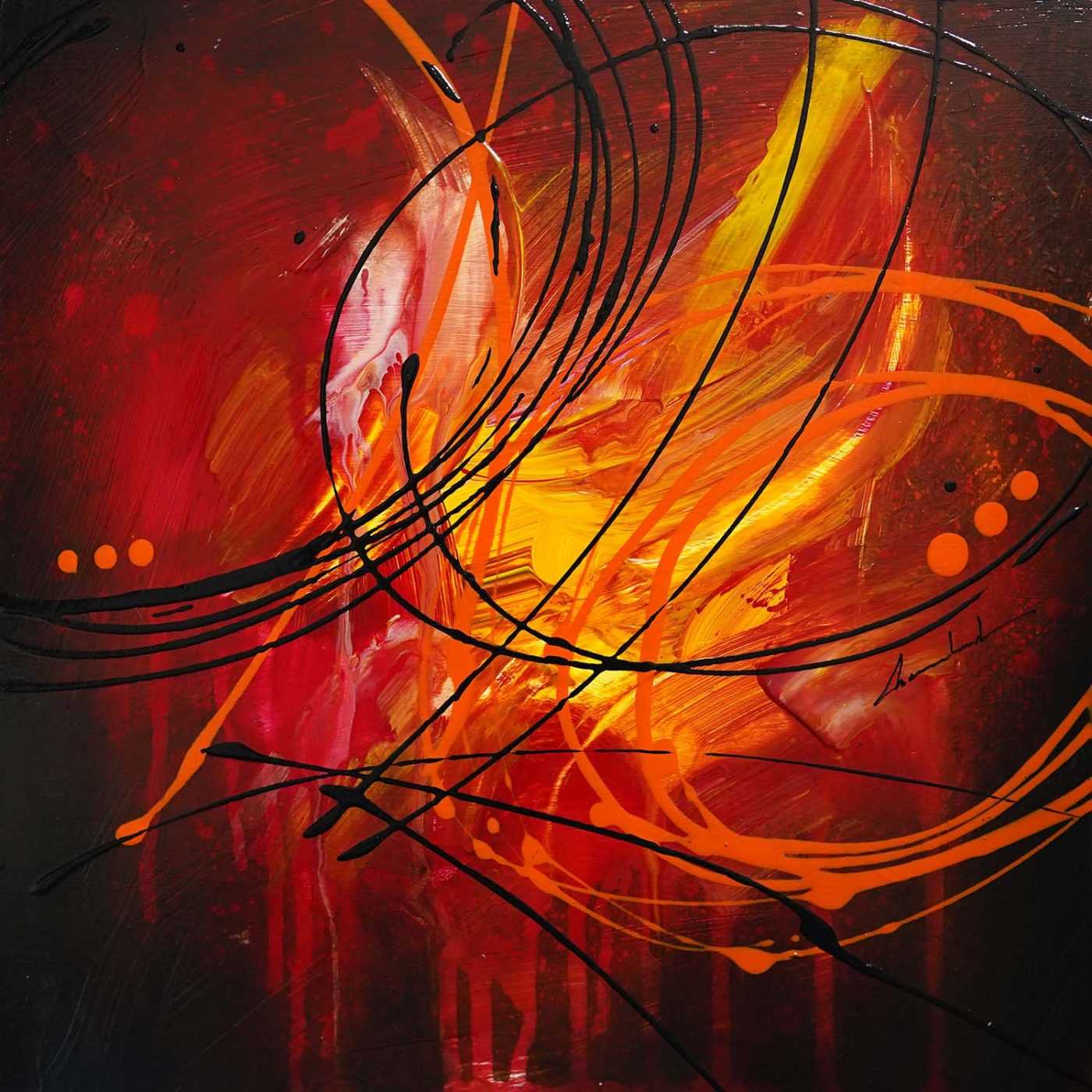
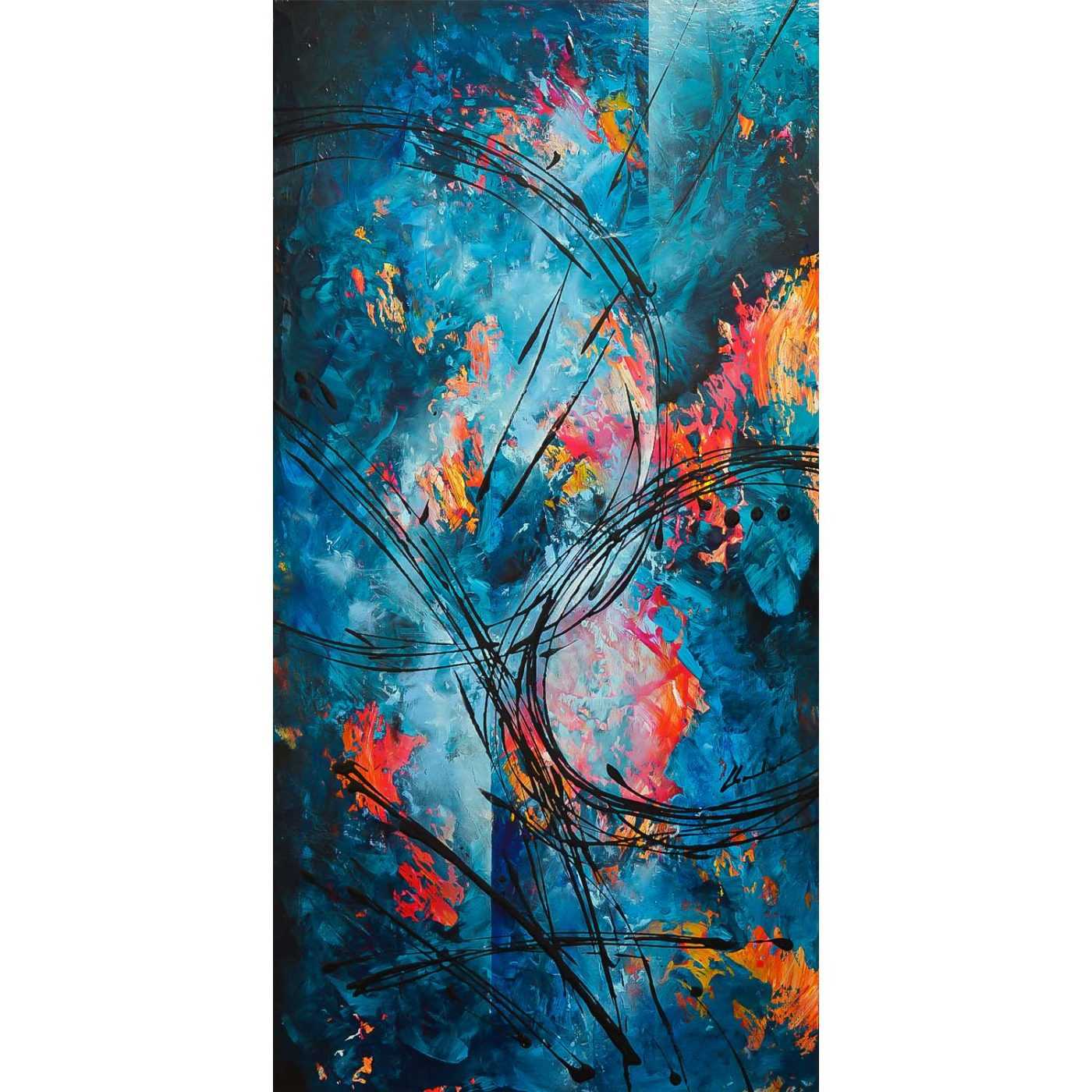
Mes dernières créations
Découvrez mes derniers tableaux abstraits disponibles.







Leave a Reply